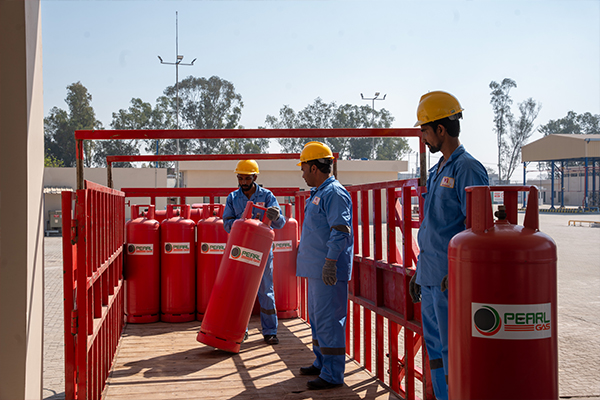
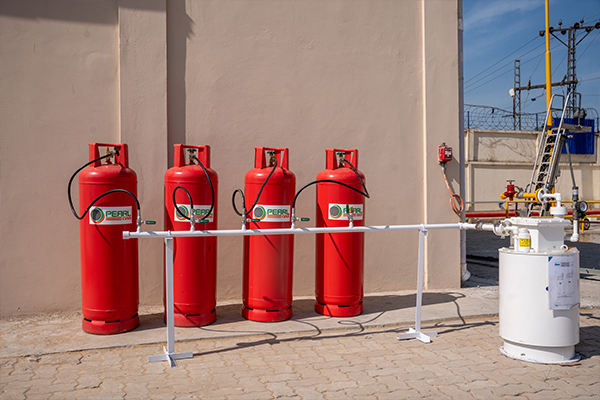
LPG stands for Liquified Petroleum Gas. The composition of LPG is Hydrogen and Carbon, also known as Hydrocarbons. Specifically, LPG consists of a combination of Propane and Butane. LPG can be obtained as a co-product of refining of crude oil at refineries, or extracted from streams of natural gas from oil and gas fields.
Propane and Butane are both gases in ambient conditions but can be liquified under modest pressure and temperature conditions. Furthermore, LPG can safely and easily be stored at room temperature.
BENEFITS
LPG is a very clean burning fuel, with lower greenhouse gas emissions than any other fossil fuel when measured on a total fuel cycle, and is thus considered an environment friendly fuel source. It is also non-toxic and will not contaminate soil or aquifiers in the event of a leak.
The energy content and calorific value per unit of LPG is higher than many other commonly used fuels, including coal, natural gas, diesel, petrol, fuel oils, and biomass-derived alcohols.
LPG stands for Liquified Petroleum Gas. The composition of LPG is Hydrogen and Carbon, also known as Hydrocarbons. Specifically, LPG consists of a combination of Propane and Butane. LPG can be obtained as a co-product of refining of crude oil at refineries, or extracted from streams of natural gas from oil and gas fields. Propane and Butane are both gases in ambient conditions but can be liquified under modest pressure and temperature conditions. Furthermore, LPG can safely and easily be stored at room temperature.
Air Required for combustion (ft³ to burn 1 ft³ of gas at STP)
Commercial Butane: 30
Commercial Propane: 24
Propane and Butane are both gases in ambient conditions but can be liquified under modest pressure and temperature conditions. Furthermore, LPG can safely and easily be stored at room temperature.
BENEFITS
LPG is a very clean burning fuel, with lower greenhouse gas emissions than any other fossil fuel when measured on a total fuel cycle, and is thus considered an environment friendly fuel source. It is also non-toxic and will not contaminate soil or aquifiers in the event of a leak.
The energy content and calorific value per unit of LPG is higher than many other commonly used fuels, including coal, natural gas, diesel, petrol, fuel oils, and biomass-derived alcohols.