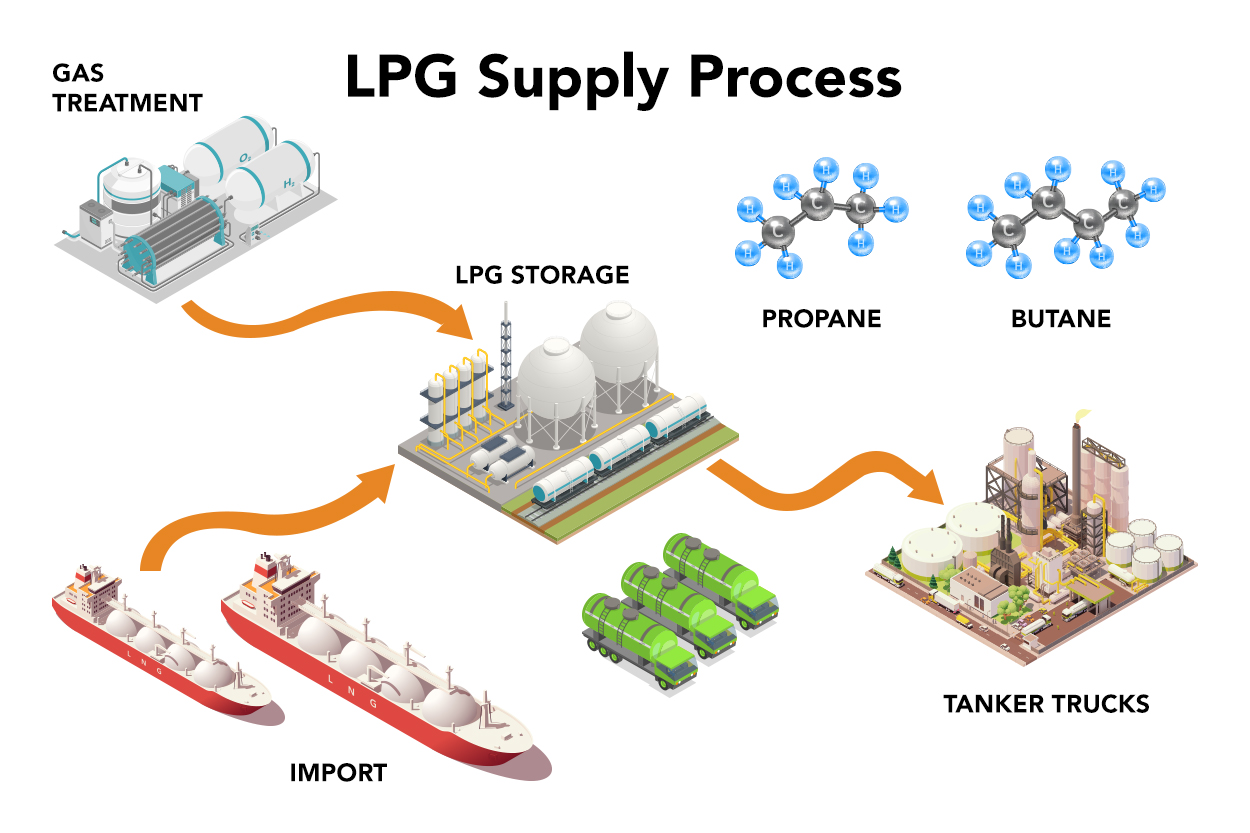
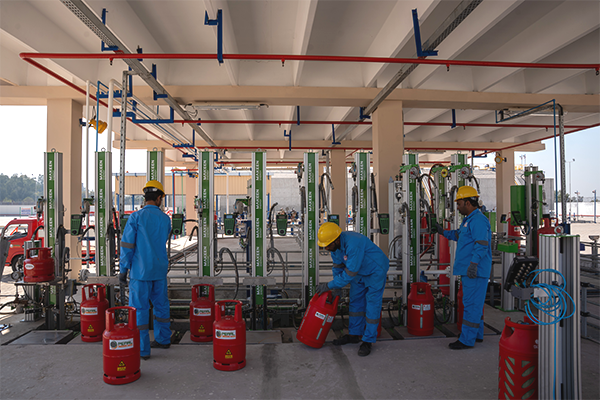
LPG stands for Liquefied Petroleum Gas. The composition of LPG is Hydrogen and Carbon, also known as Hydrocarbons. Specifically, LPG consists of a combination of Propane and Butane. LPG can be obtained as a co-product of refining of crude oil at refineries, or extracted from streams of natural gas from oil and gas fields.
Propane and Butane are both gases in ambient conditions but can be liquified under modest pressure and temperature conditions. Furthermore, LPG can safely and easily be stored at room temperature.
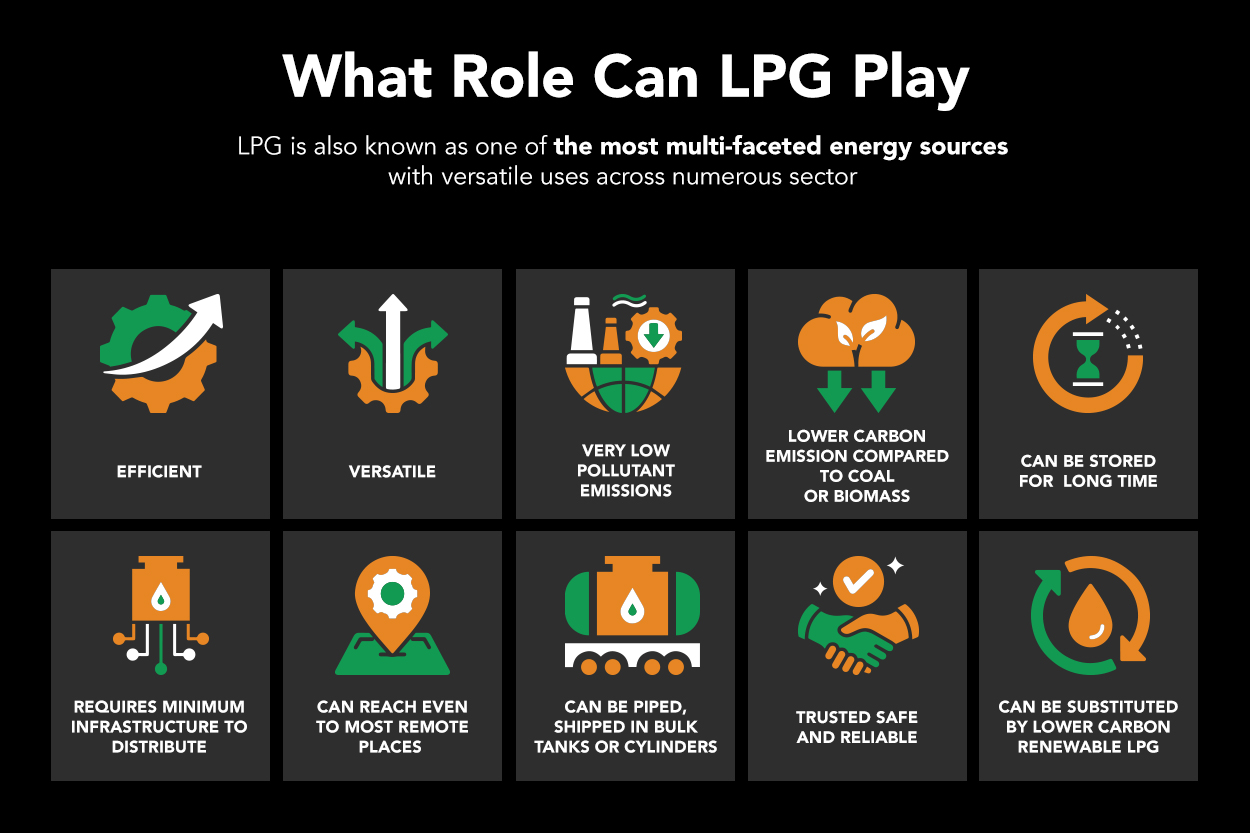
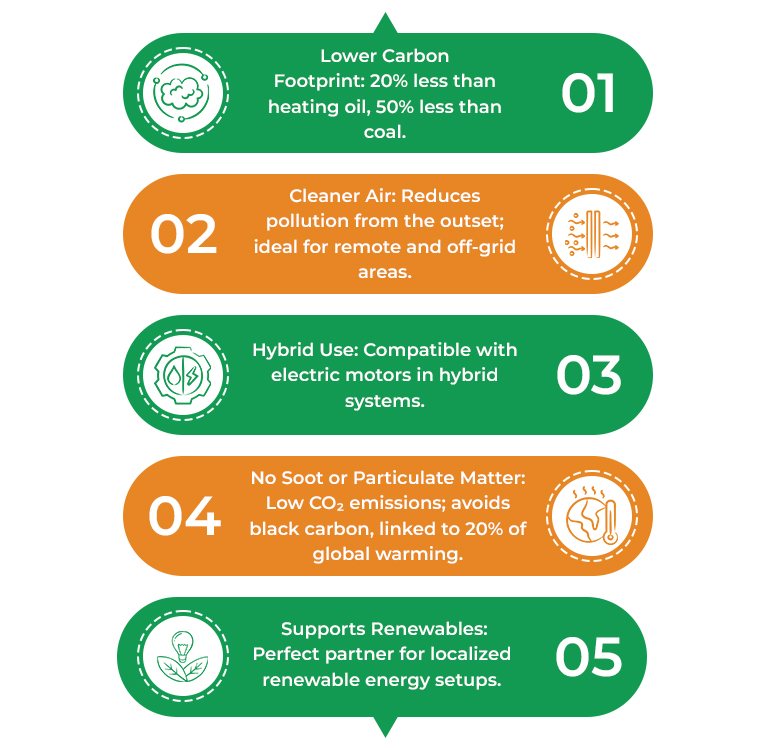
LPG is recognized as an environmentally friendly fuel, with significantly lower greenhouse gas emissions compared to other fossil fuels throughout its entire lifecycle. Its non-toxic nature ensures no risk of soil or water contamination in the event of a leak. Additionally, LPG offers superior energy density, with a higher energy content and calorific value per unit compared to fuels like coal, natural gas, diesel, petrol, fuel oils, and biomass-derived alcohols.
LPG stands for Liquified Petroleum Gas. The composition of LPG is Hydrogen and Carbon, also known as Hydrocarbons. Specifically, LPG consists of a combination of Propane and Butane. LPG can be obtained as a co-product of refining of crude oil at refineries, or extracted from streams of natural gas from oil and gas fields.
Propane and Butane are both gases in ambient conditions but can be liquified under modest pressure and temperature conditions. Furthermore, LPG can safely and easily be stored at room temperature.
LPG emerges as an environmentally friendly fuel, boasting significantly lower greenhouse gas emissions compared to other fossil fuels throughout its entire lifecycle. Its non-toxic nature ensures no risk of soil or water contamination in the event of a leak. Additionally, LPG offers superior energy density, with a higher energy content and calorific value per unit compared to fuels like coal, natural gas, diesel, petrol, fuel oils, and biomass-derived alcohols.


LPG emerges as an environmentally friendly fuel, boasting significantly lower greenhouse gas emissions compared to other fossil fuels throughout its entire lifecycle. Its non-toxic nature ensures no risk of soil or water contamination in the event of a leak. Additionally, LPG offers superior energy density, with a higher energy content and calorific value per unit compared to fuels like coal, natural gas, diesel, petrol, fuel oils, and biomass-derived alcohols.
LPG is a clean, non-toxic fuel with lower emissions and no risk of soil or water contamination. It delivers high energy output and efficiency, making it safer and more eco-friendly than coal, diesel, or natural gas.
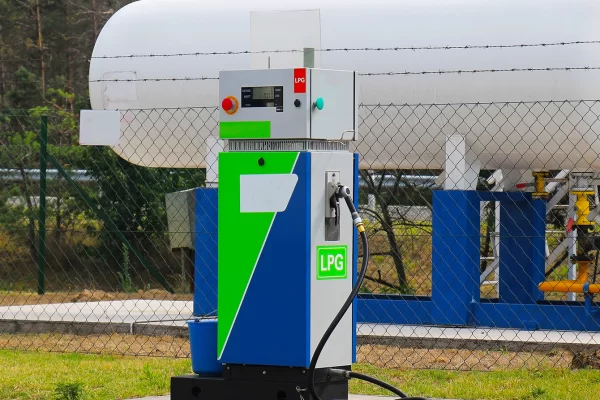
LPG is a versatile fuel that can be used to power vehicles. It produces fewer emissions, contributing to cleaner air and reduces environmental impact.
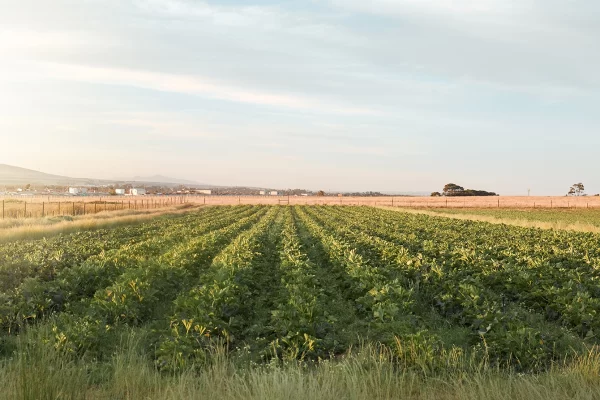
LPG offers numerous benefits in agriculture. It aids in crop drying, greenhouse heating, flame weeding, livestock shed heating and powering agricultural machinery. By using LPG, farmers can ensure safer and healthier produce, improve livestock well-being, and enhance overall agricultural yields.
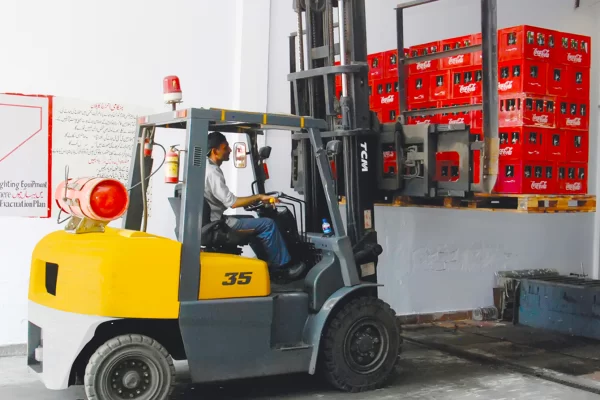
LPG is a highly efficient and reliable fuel choice for forklift trucks, offering several advantages over diesel or electric alternatives. It provides consistent power, making it ideal for both indoor and outdoor operations. LPG-powered forklifts produce lower emissions, operate quietly, and can be refueled quickly minimizing downtime and maximizing productivity. This makes them a preferred option in warehouses, manufacturing plants, logistics centers, and retail distribution environments.
LPG is a versatile and clean-burning fuel that can be used for various applications in the iron and steel industry. LPG benefits in improving efficiency, quality and environmental performance of iron and steel production processes, such as reheating, annealing, galvanizing, forging, and casting.
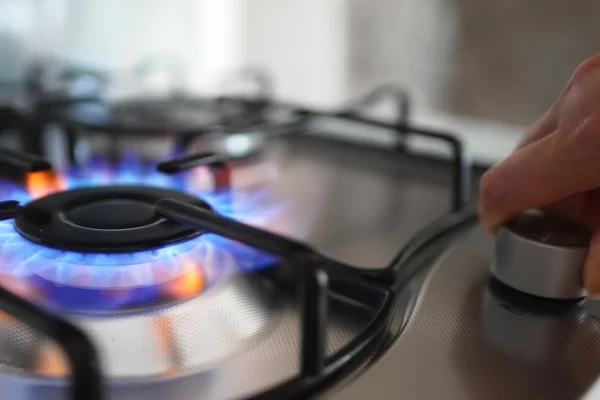
LPG offers a cleaner and more efficient cooking solution compared to traditional fuels like coal or heating oil. It’s easy to connect to your home appliances, ensuring a seamless cooking experience. As a highly economical fuel, LPG saves you time and money with its rapid heating capabilities. To order your LPG cylinder conveniently, visit our Home Delivery page.
LPG is used at home and in offices for heating applications. It is also used by farmers for their greenhouses. LPG produces fewer harmful emissions compared to traditional fuels like coal or wood, making it a cleaner and environmentally friendly option.
LPG (Liquefied Petroleum Gas) is a multifaceted fuel source with applications in various power generation methods. It can be used in generators, gas turbines, cogeneration, and tri-generation systems. By utilizing LPG, these systems can achieve significant cost savings due to its lower fuel costs compared to traditional fuels like diesel. Additionally, LPG combustion produces fewer harmful emissions, contributing to cleaner and more sustainable power generation. Moreover, LPG’s reliable supply and efficient combustion properties enhance the overall reliability of electricity generation, ensuring a consistent power supply.
LPG is a popular fuel choice for mobile catering due to portability, efficiency, versatility, safety, and cost-effectiveness. It can be used to power various cooking appliances, water heaters, and lighting.
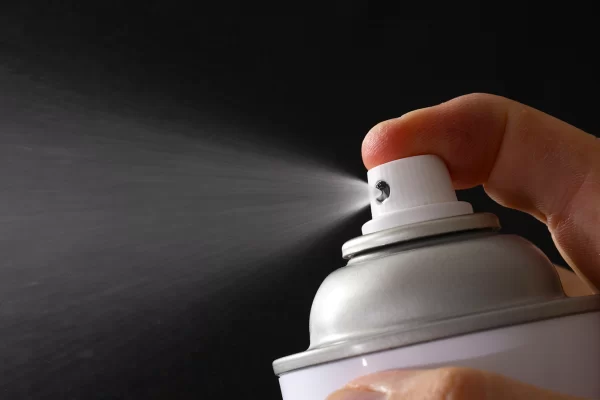
LPG is commonly used as a propellant in aerosol products such as hairspray, air freshener, and insecticide. When the valve on an aerosol can is opened, the pressure from the LPG propellant forces the product out of the can and into the air.
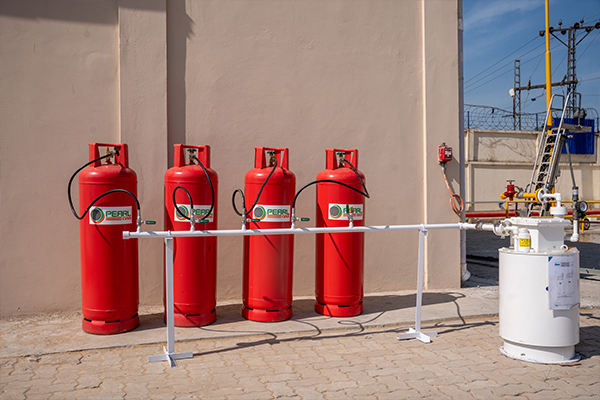
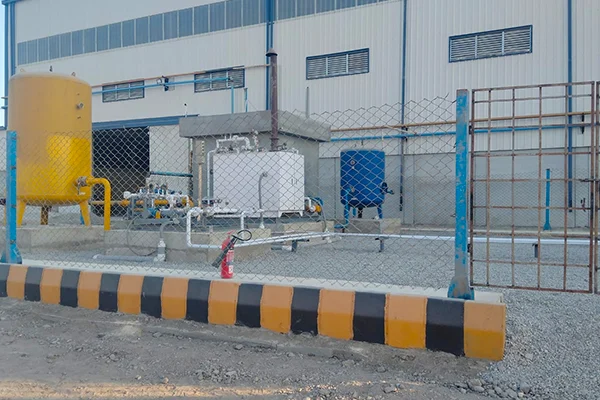
An LPG Air Mix Plant is a reliable solution for ensuring uninterrupted gas supply in areas with limited or no natural gas availability. This system is widely used for housing societies, industries, commercial facilities, and institutions, offering consistent energy without disruption.