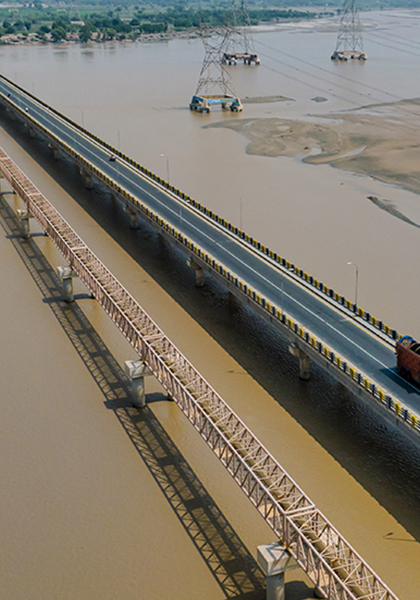
Pak-Arab Refinery Limited (PARCO) is a 60:40 joint venture between the Government of Pakistan and the Emirate of Abu Dhabi, through Mubadala Investment Company. Established in 1974 as an oil pipeline company, today, through self-financed investments and modular growth strategy, PARCO has grown into one of Pakistan’s largest energy conglomerates and is an integral part of the petroleum supply chain of the country. PARCO operates a cross-country network of oil pipelines running over 2000 kilometers from Karachi to Machhike near Sheikhupura (including its joint-venture, PAPCO). Multiple petroleum products are transported through the pipeline network which is the fastest, most reliable and environmentally friendly method of transportation.
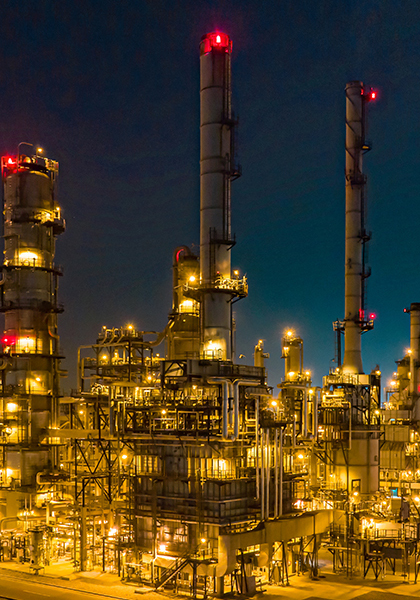
PARCO‘s Mid Country Refinery (MCR) was established in the year 2000. This 120,000 barrels per day refinery processes light-medium crudes, mostly sourced from ADNOC and ARAMCO through long-term contracts. This Refinery produces high-quality petroleum products including Diesel, Petrol, Jet Fuel, LPG, Kerosene Oil, Furnace Oil, Sulphur and road-grade Asphalt. It is Pakistan’s most modern refinery and has a proactive approach towards preserving the environment.
With its modern refinery, an extensive pipeline network, storage of over 1.5 million tons at various locations and marketing activities, PARCO is fueling Pakistan’s economic growth and saving millions of dollars of foreign exchange. This position in the industry has been achieved with a focus on operational excellence coupled with an expansion and diversification strategy leading to new projects, major acquisitions and increased development in the midstream and downstream energy sectors.
Pak-Arab Refinery Limited was founded with an authorized capital of Rs. 1.5 billion. Incorporated in Lahore and starting operations in Karachi, PARCO marked a strategic milestone, reducing Pakistan’s dependency on imported fuel products and fostering a significant economic partnership with the UAE.
Conquering Challenges: Building the KMK Pipeline
The construction of Karachi Mahmoodkot (KMK) Pipeline. It is an underground pipeline stretching 864 kilometers from Korangi, Karachi to Mahmoodkot.
From Bottleneck to Breakthrough: The DFK Project
Pakistan’s demand for oil had surged, leading to severe congestion at Keamari, the country’s primary oil receiving port. Ships languished for weeks, incurring hefty demurrage charges and widespread disruptions to business.
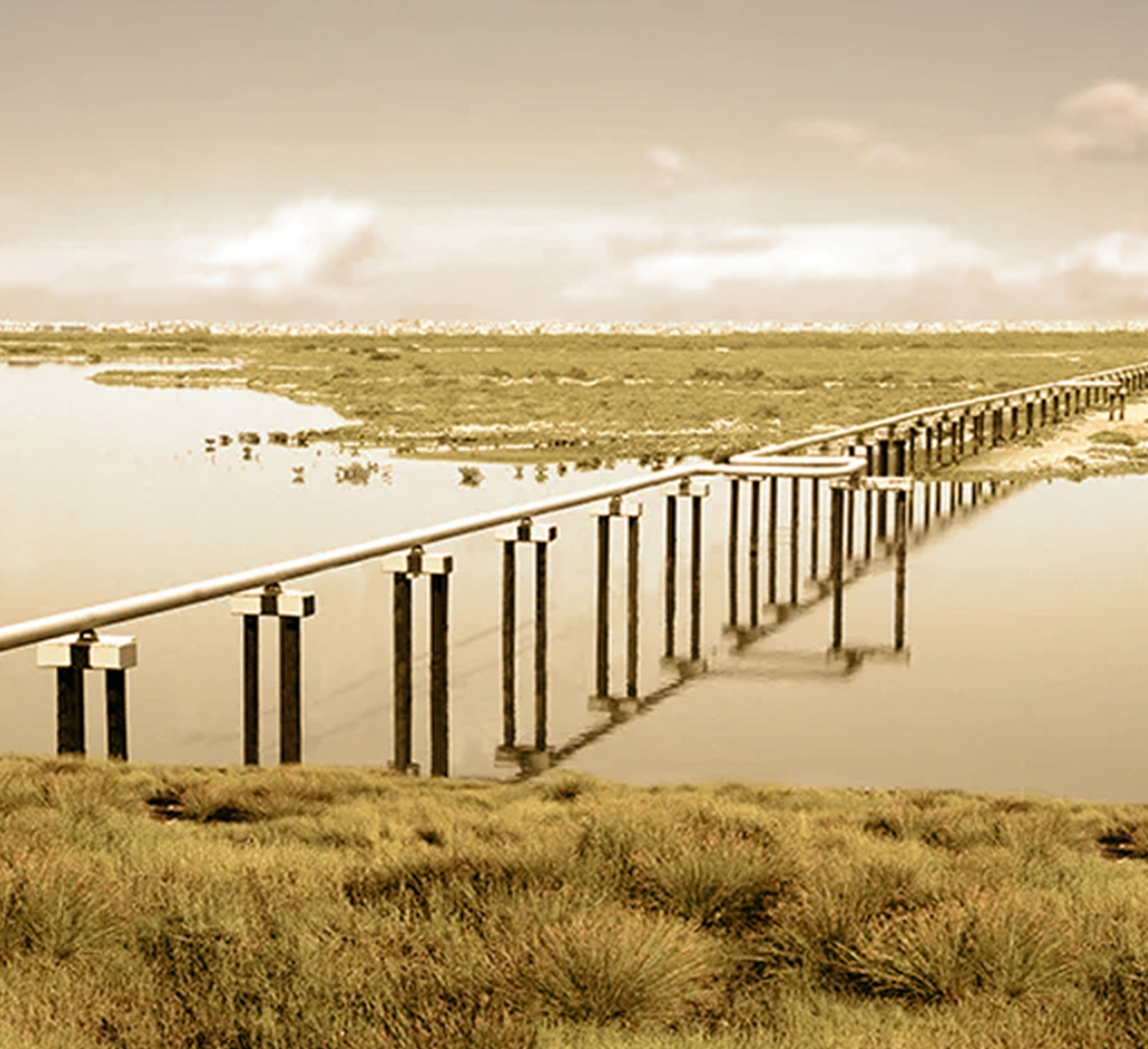
In response, PARCO initiated the Debottlenecking Keamari Facility (DKF) Project, an innovative solution to overcome the crippling congestion. The project involved constructing a new pipeline directly connecting oil-carrying ships to the tank farm at Korangi, effectively bypassing the congested Keamari Port. This strategic rerouting not only alleviated the port’s bottlenecks but also optimized the entire supply chain by reducing logistical costs and enhancing efficiency.
Flow Improvement Technology Upgrade
In 1992, PARCO substantially increased the efficiency of its 864-kilometer Karachi! To MahmoodKot (KMK) Pipeline. Originally equipped with a single intermediate pumping station and a capacity of 2.9 million tons per year, the introduction of Flow Improvement Technology boosted this capacity to 4.5 million tons per year. This innovation improved throughput and operational efficiency, allowing PARCO to better meet the increasing energy demands.
Completion of Bubak & Fazilpur Pumping Stations
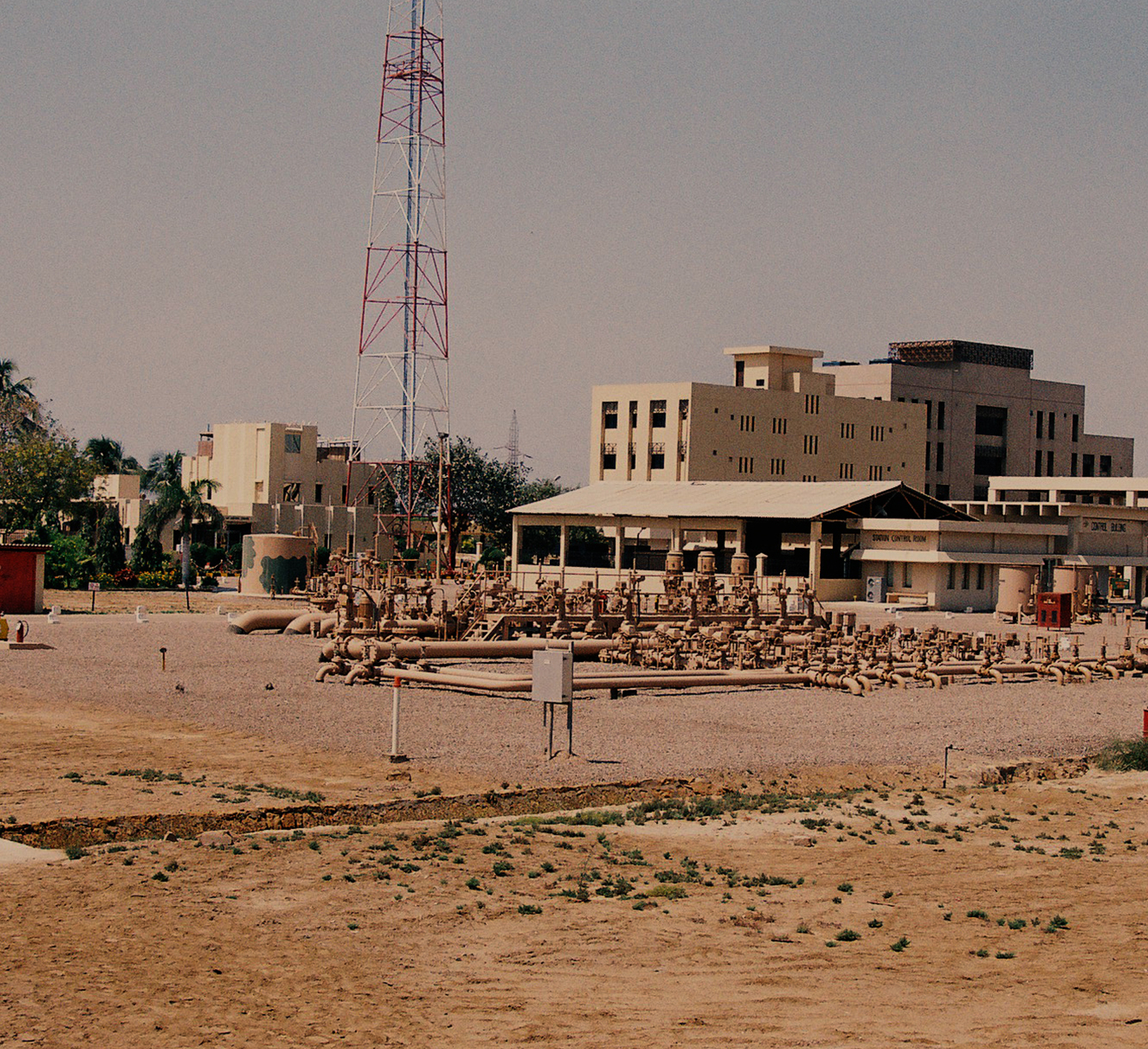
Leveraging 1992’s technological strides, PARCO further enhanced its operational capacity in 1994 with the completion of two new intermediate pumping stations at Bubak in Sindh, and Fazilpur in Punjab. This strategic addition not only utilized the existing pipeline infrastructure but also extended its capabilities. With these stations, the pipeline’s capacity rose to 4.5 million tons annually without flow improvements, and up to 6.0 million tons with them. This enabled PARCO to meet the growing petroleum demand in Pakistan’s northern regions which was a significant step in the ongoing journey of optimizing energy distribution nationwide.
Mid-Country Refinery Groundbreaking Ceremony
In 1995, the groundbreaking ceremony of the Mid-Country Refinery marked the inception of a cutting-edge facility that would revolutionize energy production. Strategically located in Muzaffargarh, in the heart of Pakistan, this state-of-the-art refinery laid the foundation of a versatile and robust operation, capable of producing a diverse range of high-demand products. With its advanced technology and strategic placement, the Mid-Country Refinery was poised to set new standards in efficiency and output, driving both economic growth and industrial innovation. This monumental project not only enhanced the local infrastructure but also contributed significantly to energy security and self-sufficiency, reducing dependence on imported fuels and fostering regional development. The refinery’s establishment underscored a pivotal moment in the energy sector, reflecting commitment to progress and sustainability while paving the way for future advancements in refining technology and processes.
Increasing Impact: Commissioning of MFM Pipeline
PARCO extended its reach significantly by completing the 364-kilometer MFM Pipeline. This pipeline stretches from Mahmoodkot to Machike near Sheikhupura, with Faisalabad serving as a crucial intermediary hub. The MFM was initially developed with an annual capacity of 3 million tons, which was later enhanced to 7 million tons, with the capability to transport both Diesel and Petrol. This vastly improved the delivery of refined products to key markets, particularly Lahore. To further optimize the MFM Pipeline route, PARCO inaugurated a gantry facility at Faisalabad in 2002. This strategic addition addressed the rising demand for fuel in smaller regional markets around Faisalabad. The gantry streamlined product transfer, ensuring a consistent and efficient supply chain across the region. This highlighted PARCO’s strategic foresight in fueling Pakistan’s growing energy needs while strengthening its network.
Realization of the Dream: MCR
Commissioned on the 4th of September, the 100,000 barrels per day Mid-Country Refinery (MCR) significantly boosted Pakistan’s refining capacity. Built at a cost of US$886 million, it added 4.5 million tons of annual refining capacity, producing key petroleum products like LPG, Jet Fuel, Diesel, HOBC and Furnace Oil. Completed a month ahead of schedule and within budget, MCR showcased PARCO’s commitment to efficiency and innovation. Featuring advanced technology such as the ‘Dieselmax’ unit and sophisticated control systems, the refinery not only boosted operational efficiency but also met stringent environmental standards. Strategically enhancing national security, MCR reduced reliance on imported fuel products and facilitated efficient petroleum distribution across Pakistan. It also included a modern residential complex, emphasizing PARCO’s focus on employee well-being. MCR stands as a testament to Pakistan’s ability to execute large-scale, technologically advanced projects, propelling the nation towards energy self-reliance.
PAPCO White-Oil Pipeline
PARCO led the formation of a joint venture company, Pak-Arab Pipeline Company Limited (PAPCO), holding a 51% equity share alongside Shell Pakistan (26%), Pakistan State Oil (12%), and Caltex Oil Pakistan (11%). The collaboration aimed to commission the strategically vital White Oil Pipeline (WOP) at a cost of US$480 million. Stretching 786 kilometers with a 26-inch diameter, this pipeline was designed to transport refined petroleum products from Karachi to Mahmoodkot. Initially capable of handling 5 million tons per year, the pipeline is designed for an expanded capacity of up to 12 million tons annually, signifying a major enhancement in Pakistan’s petroleum distribution infrastructure. This collaboration not only underscored PARCO’s leadership in the project’s implementation but also highlighted its commitment to managing the pipeline’s operation, further cementing its role in enhancing the nation’s energy security.
Acquisition of SHV Energy Pakistan
PARCO completed the acquisition of SHV Energy Pakistan (Private) Limited, taking over 100% of its shares after divestment by SHV Calor Asia B.V. (Netherlands). It had established itself as one of the largest LPG marketing and distribution companies in Pakistan with a nationwide network of distributors and customers, as well as expertise in the industrial applications of LPG. By consolidating the nation’s largest LPG supplier with the leading LPG marketing company under unified management, this acquisition created synergies that enhanced services for customers across Pakistan. This strategic move represented a major milestone in PARCO’s expansion and diversification strategy. After acquisition, the company was renamed as PARCO Pearl Gas (Private) Limited (PPGL).
Mid-Country Refinery Revamp Project
PARCO successfully completed its MCR Revamp Project, enabling PARCO’s Mid-Country Refinery to achieve an enhancement of plant processing capacity from 100,000 to 120,000 barrels per day. The company had also upgraded its fuel quality to EURO III Gasoline and EURO Ill Diesel, once again establishing itself as a pioneer and a leading organization in introducing environment-friendly products in Pakistan.
Dualization of Parco & PAPCO Pipelines
The dualization of PARCO’S MFM and PAPCO’s WOP pipelines was completed in 2021, marking another significant project for both companies. This initiative increased the capacity utilization of existing pipelines, enabling the transportation of both petrol and diesel, whereas previously, these pipelines only transported diesel. The project included enhancements such as increased pumping capacity, construction of new diesel and petrol storage tanks with a total capacity of 298,000 tons, gantries for product delivery, and a 3,000 barrels per day Transmix Processing Facility. The dualization of PARCO’S MFM and PAPCO’s WOP pipelines represents a significant advancement in Pakistan’s energy infrastructure. This project underscores the commitment of both companies to enhancing operational efficiency and meeting the growing demand for petroleum products.